
7 Heart-Melting Truths About Tears in Sujood,
One Step Toward Allah That Changes Everything
Introduction
Tears can be shed either out of sadness or joy; however, the tears of sadness are connected with one’s connection to God, whilst joy arises when an individual knows who they are really connected with.
The way a believer connects with Almighty Allah through their Sujood, during which the heart opens up and breaks, brings about something very profound. Literally no words are spoken during this process; only the tears are falling at his feet as he reaches Almighty Allah, and that silent cry we all give off, when we reach out to Almighty Allah in a time of need, is in itself a small step toward reconnecting with Almighty Allah, which is recorded by angels as a good deed and an erasure of sin, and will also be the cause of an individual being reborn again.
It is reported in an old hadith that the greatest closeness of Almighty Allah to His servant occurs while He is on his Sujood. The tears that fall at this time do not indicate weakness; they indicate honor and equal status. In fact, individuals then may feel as if they have achieved what they were destined for their whole life.
The following writings evaluate the five dimensions of the connection between tears and Sujood by discussing the power of a single tear through the Qur’an, the Sunnah and the way of the Sunni Sufi. How can one tear cause such a transformation that lasts a lifetime?
Summary
- Tears shed during sujood demonstrate the depth of one’s belief (iman) and the sincerity behind it.
- “The greatest blessing Allah gives to someone is that He listens to their heart’s cry before they speak it with their tongue”.
- It takes one sincere sujood (prostration) to bring a person closer to Allah, which can transform an individual’s destiny.
- The Qur’aan and Hadith document the greatness of people who weep from fear and love of Allah.
- Sunni Sufi saints believed that tears shed during sujood open the way to becoming near to Allah.
Tears in Sujood
1. Allah Is Closest When You Are Lowest
The Prophet ﷺ said:
“The closest a servant is to his Lord is when he is in sujood.”
(Sahih Muslim)
When you place your forehead on the ground and tears fall, that is one step toward Allah done with the entire body and soul. Pride disappears. Ego breaks. The heart speaks without language.
Many people speak to Allah with words. Few speak with tears. And tears are often more truthful.
2. Tears That Erase Sins
The Prophet ﷺ said:
“Two eyes will not be touched by the Fire:
an eye that wept from fear of Allah…”
(Tirmidhi)
A tear shed in sujood out of fear, regret, or love is one step toward Allah that protects a person in the Hereafter. These tears are not wasted. They are stored with Allah.
3. Tears Are Accepted Duas
Sometimes we don’t know what to ask. Words fail. Pain is too deep.
That is when tears become dua.
Allah ﷻ says:
“He knows what is within the hearts.”
(Surah Al-Mulk 67:13)
When you cry in sujood, Allah already understands. That moment is one step toward Allah without language.
Deep Tasawwuf Reflection
1: Tears Polish the Heart
Imam Al-Ghazali (رضى الله عنه), among other scholars from the Sunni Tasawwuf school, indicated that through sinning, the heart becomes harder and when someone weeps/tears for God’s sake, they have softened the heart again they view as a form of forbearance on the part of God.
Sheikh Abdul Qadir Jilani (رضى الله عنه) when speaking to his disciples used to say, “Once a heart turns to Allah in sincerity, tears must continue to flow from the eyes”.
The first tear of a servant is one step closer to Allah; the first tear has the effect of removing spiritual rust.
The attraction of brokenness to God
Khwaja Gharib Nawaz (رضى الله عنه) stated that Allah (عز وجل) loves that servant who approaches him broken, and not one who is full of pride.
A heart that is crying when in sujood is crying out “يَا اللّه إنّي لا أستطيع أن أتحمّل هذه النّعم إِلّا بِكَ” therefore the brokenness that is present within the soul when one is submitting to Allah (عز وجل) will weigh much heavier than those physical acts we do outwardly.
👉 How to Build a Strong Relationship with Allah
When Tears Speak Louder Than Words
There is a sujood where the body falls…
and there is a sujood where the soul collapses.
Imagine a believer praying at night, exhausted by sins, pain, or life’s weight. They reach sujood — and suddenly the heart opens. Tears fall uncontrollably. No rehearsed dua. No long speech. Just truth.
That tear is one step toward Allah that can rewrite destinies.
Many Sunni Sufi saints began their transformation with one night of tears in sujood.
A True-Inspired Sufi Story
It is narrated that Khwaja Bandanawaz (رحمه الله) once advised a sinner who felt lost:
“Pray two rak‘ahs at night and cry before Allah if you cannot speak.”
The man obeyed. Night after night, he cried silently in sujood. Months later, his life transformed — sins left him naturally, and love of worship entered his heart.
Why?
Because tears in sujood were one step toward Allah, and Allah ran toward him with mercy.
What Tears in Sujood Bring
- Softening of the heart
- Forgiveness of sins
- Acceptance of dua
- Nearness to Allah
- Healing from emotional pain
- Protection from arrogance
- Strength in faith
- Love for worship
- A clean spiritual restart
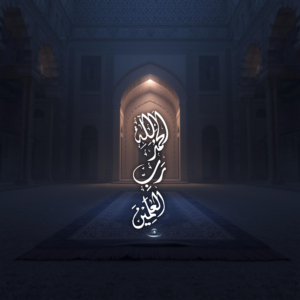
Arabic Duas to Recite in Sujood
1. Dua of Brokenness
اللَّهُمَّ إِنِّي أَشْكُو إِلَيْكَ ضَعْفَ قُوَّتِي
O Allah, I complain to You of my weakness.
2. Dua for Closeness
اللَّهُمَّ قَرِّبْنِي إِلَيْكَ
O Allah, draw me closer to You.
3. Dua for Acceptance
اللَّهُمَّ تَقَبَّلْ دُمُوعِي فِي سُجُودِي
O Allah, accept my tears in sujood.
Religion, Beliefs & Facts
- Ahlus-Sunnah believe sincerity outweighs quantity
- Tears in worship are signs of living iman
- Allah responds faster to humility than pride
- Crying in sujood is a Sunnah of the righteous
- One sincere act can outweigh years of heedlessness
Conclusion
If you’ve ever shed a tear in prayer, it was present for Allah to see before even a single word came out of your mouth. Those tears have not gone unnoticed and are considered a sign of faith; they are a signal that will bring you closer to Allah, along with mercy and forgiveness from Him.
And never forget that the last thing you do before you die, or when you become ill or there is some other reason for worry, is to turn toward Allah. That last act of worship will always be rewarded with mercy and blessings.
👉 One Step Toward Allah – A Journey of Return
- All Posts
- English Blogging
7 Heart-Melting Truths About Tears in Sujood,One Step Toward Allah That Changes Everything Introduction Tears can be shed either out...

The First Step to Allah: Take One Step Toward Allah and Watch His Mercy Run to You The authentic Hadith...
Introduction In all times, when hearts distance themselves from Allah, and faith appears to be overshadowed by worldly turmoil, Allah...


